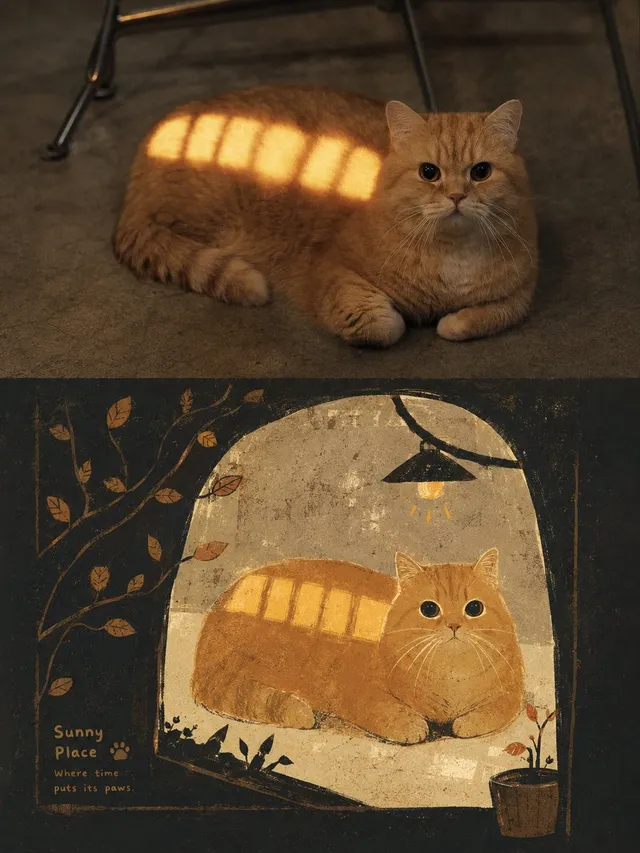
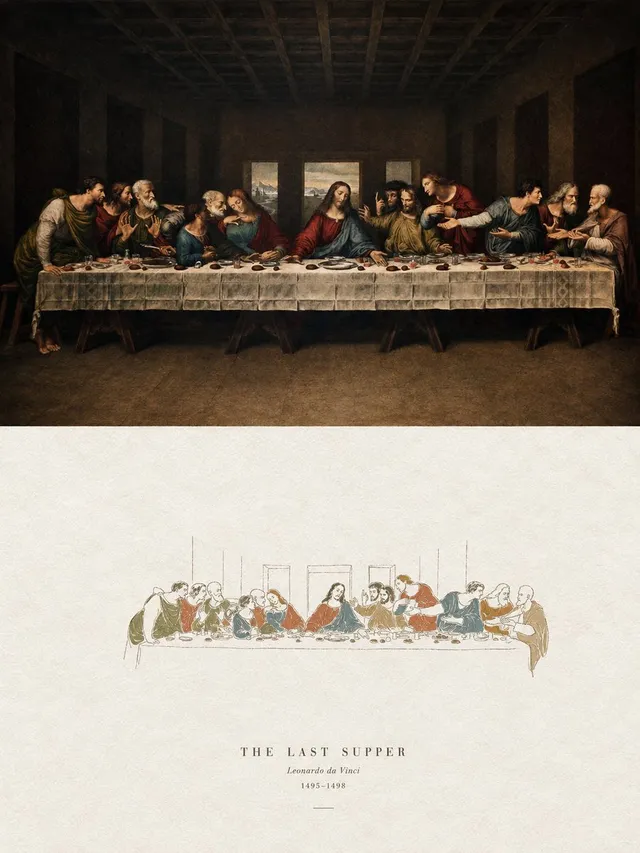
提示词/GPT Image 提示词/提示词详情图片提示词几何分割海报设计第 1 张,共 4 张一个高端海报提示,将画布分割为现实照片的上半部分和几何重构的图形下半部分,非常适合艺术出版物。这条提示词使用了参考图片立即使用点赞829浏览56,600收藏735保存这条提示词,或分享给朋友。分享提示词提示词复制Please turn each photo I upload into a separate premium-designed poster, with no multi-image collage; output each photo as an independent poster. Use an overall 3:4 vertical composition, strictly divided into two equal-height sections, with the upper and lower halves each occupying exactly 50% of the canvas. The upper half should preserve the original photograph, maintaining the subject’s structure, realistic texture, natural lighting and shadows, and original color atmosphere, with only subtle high-end photographic color grading to give it the quality of an art publication or exhibition photograph. To adapt the image to the required aspect ratio, you may naturally extend the sky, ground, or environmental background, but you must not stretch, distort, or alter the main subject. The lower half should extract the most recognizable subject, silhouette, posture, and narrative relationship from the photograph; first understand its core meaning, cultural attributes, or emotional relationship, then reconstruct it into a graphic composition combining the character of a folk-culture catalog, antique rubbing prints, and modern graphic design. Do not translate every element in the photograph one by one, and do not add generic traditional patterns; retain only one core visual motif and a very small number of auxiliary forms that truly carry narrative significance. Use silhouette, negative space, partial enlargement, shape merging, and symbolic transformation so that the graphic not only corresponds to the original object but also expresses the meaning behind it. Build the composition on a rigorous geometric framework and proportional system: derive circles, squares, triangles, arcs, axes, or repeated proportions from the structure of the subject itself as the “geometric matrix,” then align all main forms, secondary graphics, typography, and negative space through shared tangencies, common axes, nesting, mirroring, proportional progression, or edge cropping relationships. The layout may be freely distributed, off-center, extend beyond boundaries, or be asymmetrical, but every element must obey the same structural logic, creating a clear visual center of gravity, hierarchy, rhythm, and negative space; from a distance the order should be immediately legible, while closer viewing should reveal traditional print traces and subtle details. Avoid random scattered elements and decorative accumulation. Extract the most distinctive, lively, and spiritually expressive colors from the upper photograph and reorganize them into a clean, restrained paper-printing palette. Use a bright, light paper-colored background to create breathing room, one dark color to establish the visual skeleton, and one or two theme colors derived from the original photograph to organize the main subject and limited accents. Build depth through area ratios, overprinting, and ton展开提示词更多其他提示词风格化波普艺术矢量肖像@de_mon010双色调半调角色海报@rafalors极简扁平矢量旅行海报@MahnoorAi12极简分层旅行海报插画@Goodmanprotocol高级定制服装工艺信息图@hx831126装饰性民俗扁平插画@Ciri_ai格林童话木刻版画海报@xiaoxiaodong01丙烯手绘风格海报设计@xiaoxiaodong01探索更多分类用途更多社交媒体配图海报/传单产品营销漫画/分镜头像/个人形象更多风格更多摄影插画电影剧照日漫极简更多主题更多角色人像/自拍文字/排版网红/模特建筑/室内更多