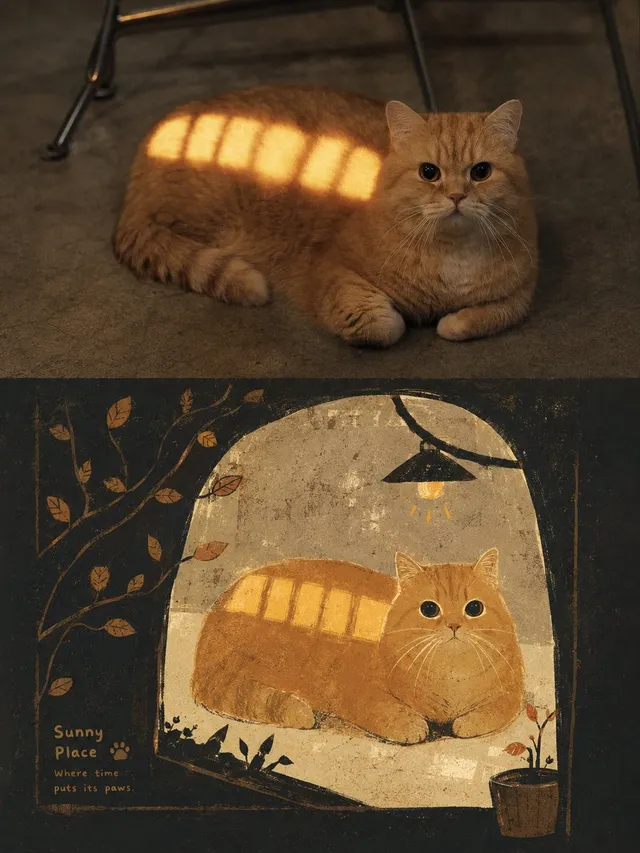
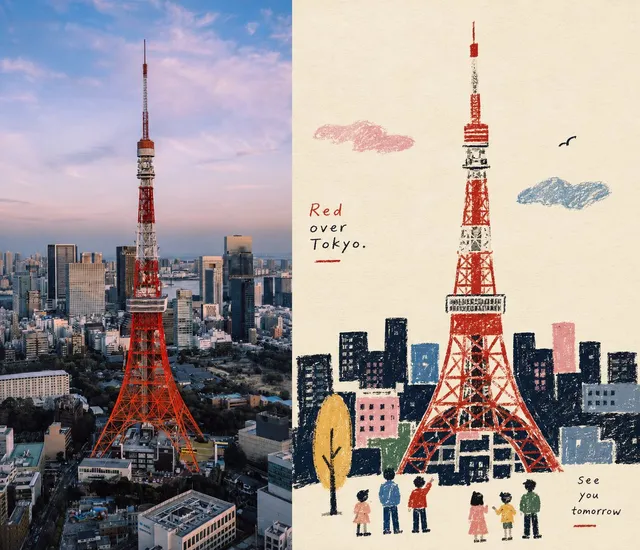
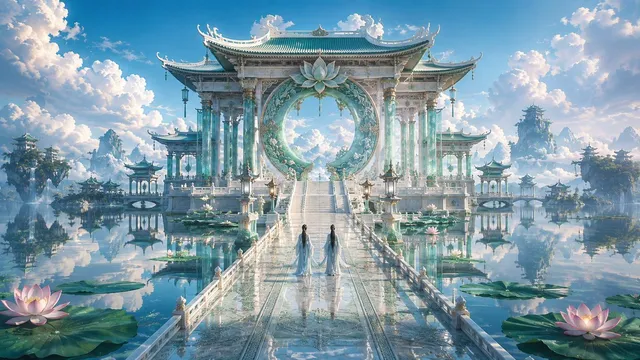
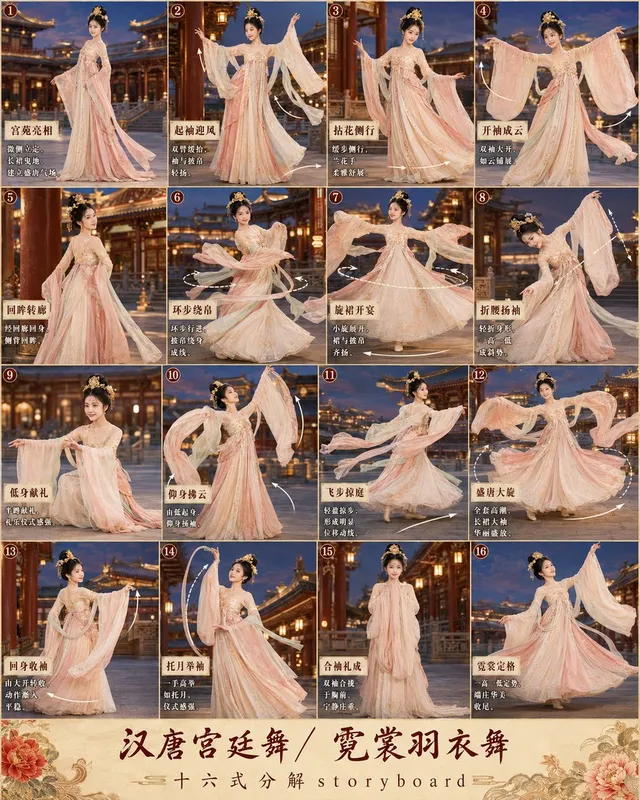
提示词/GPT Image 提示词/提示词详情图片提示词主题艺术拼贴模板第 1 张,共 4 张一个广泛的模板,用于创建基于特定主题的艺术多场景拼贴,允许多样的布局和视觉比例,同时保持和谐。立即使用点赞80浏览4,583收藏55保存这条提示词,或分享给朋友。分享提示词提示词复制THEME = {argument name="theme" default="enter theme"} STYLE = {argument name="style" default="enter the style you want"} PALETTE = {argument name="palette" default="enter the color palette"} ASPECT RATIO = {argument name="aspect ratio" default="enter the aspect ratio you want"} DO: Create an artistic multi-scene collage built entirely around THEME. Derive subjects, environments, objects, characters and visual events naturally from THEME. Derive the emotional tone, atmosphere and energy naturally from THEME. Use people, animals, objects, landscapes, architecture, abstract forms or any combination of them when they meaningfully support THEME. Treat each scene as a distinct emotional or conceptual fragment from the same world. Build the composition like an expressive editorial art spread rather than a storyboard or regular panel grid. Freely vary the number, scale, proportions and placement of scenes. Combine large dominant images with narrow vertical fragments, wide horizontal crops, small detail scenes and partially cropped compositions. Stagger scene edges and shift their alignments to create an irregular visual rhythm. Let some scenes extend fully to the canvas edge while others terminate against neighboring imagery. Use occasional L-shaped, stepped or offset arrangements created naturally by neighboring scene proportions. Avoid repeating the same rectangle size or alignment across the composition. Keep scenes visually separate without visible frames or empty gaps between them. Let neighboring scenes meet through irregular crop relationships while keeping their environments independent. Do not blend separate locations into one continuous environment. Keep the main subjects of each scene visually contained within that scene. Use architecture, large color fields and negative space to shape the overall composition. Connect neighboring scenes through color relationships, visual rhythm and thematic echoes rather than physically merging their content. Choose environments and situations specifically suited to THEME. Include occasional intimate fragments such as hands, objects, windows, silhouettes, architectural details or empty spaces when they strengthen THEME. Give each scene a different visual scale, point of view and conceptual focus. Use expressive lighting, shape, perspective and negative space according to STYLE. Vary the emphasis of PALETTE from scene to scene while preserving overall harmony. Maintain consistency whenever subjects, characters, objects or locations recur. Keep the final composition visually clean, sophisticated and intentionally irregular. CAMERA: varied editorial framing, environmental wides, cropped medium views, isolated details, unusual negative-space compositions, overhead fragments and off-center perspectives chosen according to THEME RULES: Use STYLE as the authority for medium, linework, text展开提示词